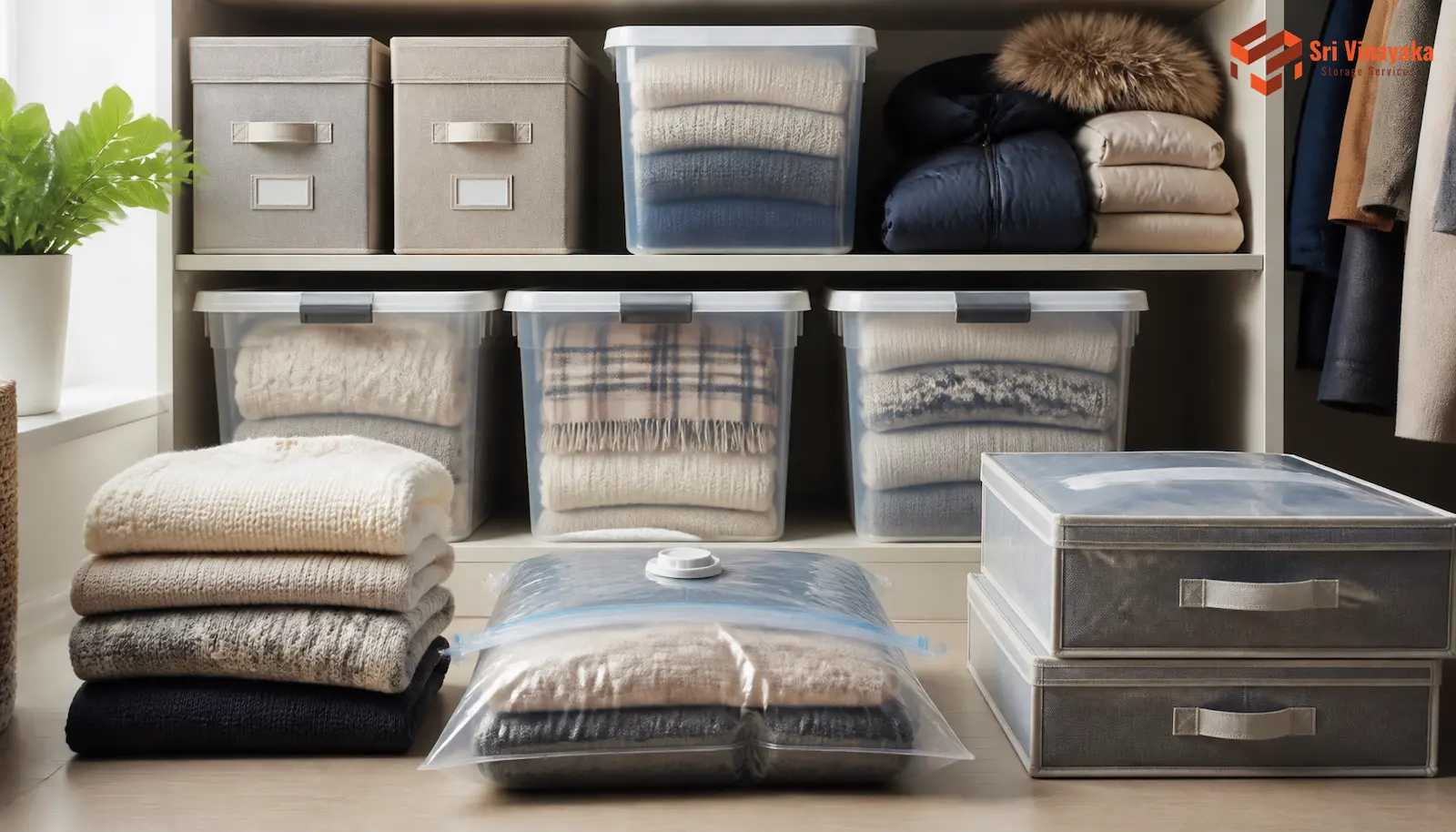
More often than not, the winter that came and went in, almost eight out of ten Indian households leave winter wear lying cold and unused. For almost 8 to 9 months in the year, those are also the months of heat, dust, and soaring humidity levels that lead to the deterioration of natural fibers.
Wool and silk still retain moisture, trap odors, and attract moth larvae, so the packing methods of your winter closet in March determine its state by November. In a city like Bengaluru, where winter ends early and humid weeks set in steadily, winter clothing storage is more of a sequence: wash, dry, preserve, ventilate, rotate.
What Does Winter Clothing Storage Involve?
Winter clothing storage refers to the washing, storing, and protecting of seasonal clothes, throws, bed covers, and leather articles in a suitable area during the period when they are not in use. This rest period in India would typically be from March to October, spanning the severest part of summer, the monsoon rains, and the soggy time afterward. Simple enough: for the end product of storage, keep everything fresh, dry, and invincible against insects.
When Should You Pack Away Winter Clothes in India?
When packing at the end of winter, around late February to mid-March for most of India, choose a dry, sunny day. Pack only totally dry clothes, as a damp sweater in an airtight bag will mildew anything nearby. The window in Bengaluru is shorter, so undertake the activity before the pre-monsoon showers.
Why Do Moths and Moisture Damage Stored Woollens?
Moth larvae feed on keratin, the protein within wool, and are very attracted to fabric containing skin and food stains or bacteria from moisture. Places that are dark, warm, and without much air movement, like unventilated closed attic spaces in April and May, are perfect places for them to live and breed.
How to Store Winter Clothes and Blankets During Summer for the Long Term
This is the area in which most wardrobes fail, because you cannot use six-week equipment for eight months. When storing over the long term, always follow a prescribed order, do not choose things at random, and you won’t have to wash again or buy again come next winter.
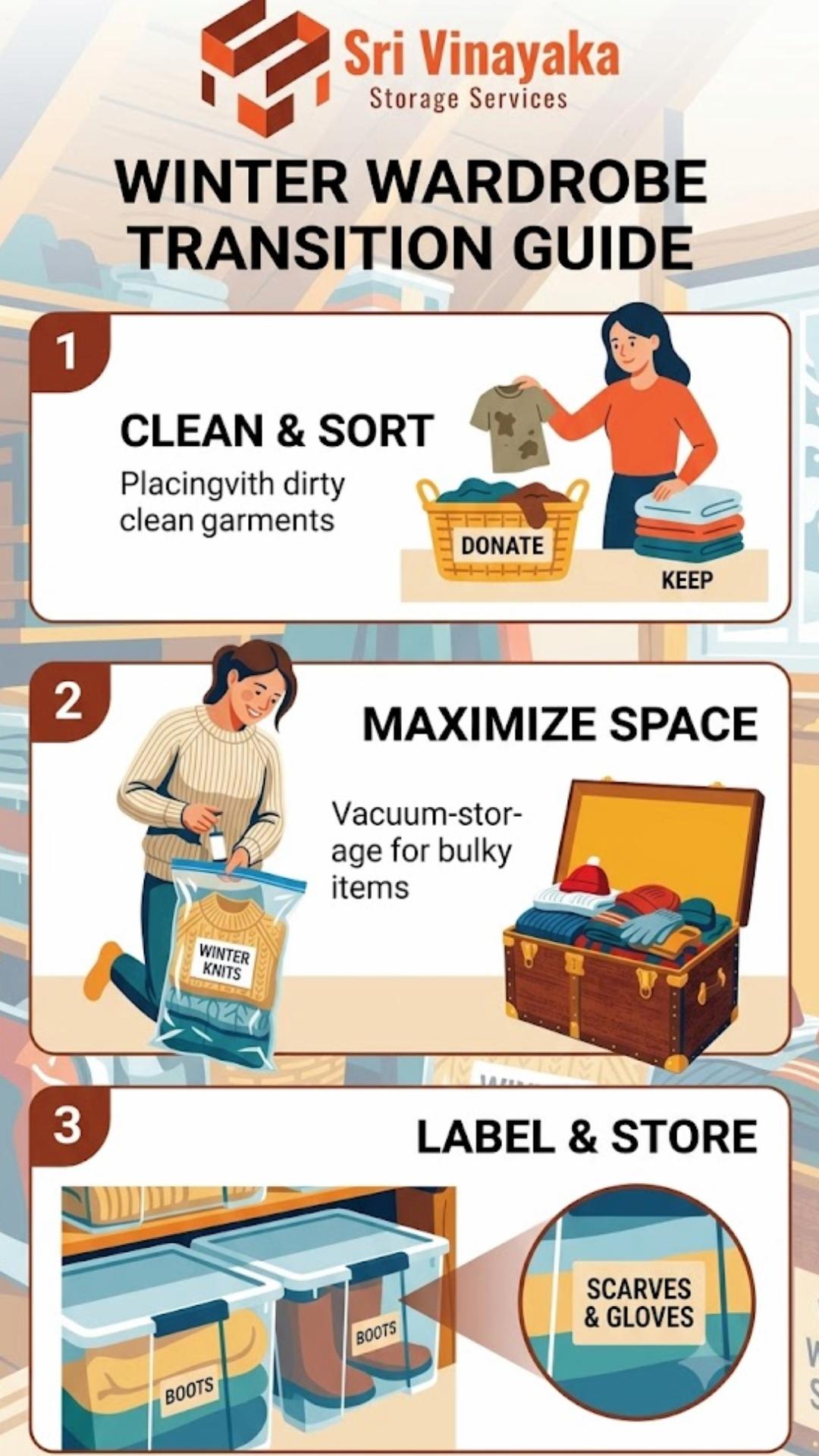
- Ensure garments are clean before packing. Sweat, perfume, and food stains are only sealed in when garments are left for months. This is what moth larvae feed upon. Woollens, silk, and leather should be given a dry clean, cotton quilts, and blankets should be washed well.
- Sun-dry and cool completely. Leaving your wet clothing in the sun for 2–3 hours reduces moisture and helps prevent mildewing. Allow to cool in the shade before folding as this will absorb most of the heat, trapping the moisture inside the bag.
- Fold knits, hang only structured pieces. Folding avoids shoulder stretching, which elongates sweater fabrics when hung, and blazers/long coats hold their shape on broad wooden coat-hangers. Roll your lighter cottons to make the most of space in the closet.
- Choose breathable storage bags. While you might be tempted by cheaper plastic versions, non-woven fabric, cotton, or muslin bags that breathe are the perfect default for wool, silk, leather, and down.
- Add moisture and pest control. The best way to keep moisture and pests out of your bags is to add silica gel sachets to absorb excess moisture and cedar blocks, neem leaves, or lavender sachets as repellents. Naphthalene balls will still work but store them in a breathable bag and always away from children’s clothes.
- Label and store high, dry, and ventilated. Label cartons by contents so you’re not opening everything in November, keep storage above floor level and away from damp walls, and avoid sealed lofts that turn oven-hot by May.
Is Storing Winter Clothes in Vacuum Bags a Good Idea?
Storing winter clothes in vacuum bags is popular because giant quilt sizes get reduced by up to 90%, they are a good option and ensure you get more in the space than you think. Still, long-term vacuuming damages natural fabrics so it depends on what you are putting away.
Factor | Vacuum-seal bags | Cotton or muslin bags |
Space saved | Significant, typically reported by brands as 60-80% volume reduction | Low |
Best suited for | Quilts, comforters, acrylic, and cotton blankets | Woollens, silk, down jackets, leather |
Long-term risk | If the item is not completely dry, creases, fibre flattening, and danger of trapped damp. Has minimal impact. | |
Durability | Seals become less effective as they are used more | Stays intact for a few seasons |
Off-Season Clothes Storage: What Changes for Summer Clothes?
Off-season clothes storage isn’t just for the winter and the rules are different for summer clothes long before they’re put away in September. Fortunately, keeping the two wardrobes separate means they will both stay in top condition.
- Wash out sunscreen and sweat. Sunscreens and deodorants leave yellow streaks on whites in storage, so wash whites before packing — not after. It’s the easiest step you can take to extend the life of a white wardrobe.
- Store lighter and looser. Cottons and linens crease less when rolled than folded, and are not subject to the same level of pest control as woollens, so store them in a separate and labelled carton.
- Rotate at least once a year. Open all cartons at the start of the season, let the contents air for a cool hour in shade, and throw out anything that is sticky or feels clammy. An easy summer and winter rotation chart takes all the guesswork out of it.
Where Should You Store It All? Home Options vs Professional Storage
Under-bed boxes, top shelves, and ottomans are great until they are not, and the typical Bengaluru home runs out of dry, ventilated space well before the wardrobes can accommodate the last set of clothing and the last box of shoes. When cartons of bed coverings begin to jostle for space with those favorite pillowcases and towels, professional storage is the smart solution.
Sri Vinayaka Storage Services gives safe, hygienic, and secure storage where carton after carton of warm clothing and comforters can be kept under lock and key at rates that would make even a homeowner gape.
Final Checklist for Winter Clothing Storage
- Wash or dry-clean every item before it goes into storage
- Sun-dry for two to three hours and cool fully before folding
- Use breathable cotton or muslin bags for woollens, silk, down, and leather
- Reserve vacuum bags for quilts, comforters, and bulky blankets
- Add silica gel and a natural repellent to every bag or carton
- Store high, dry, and ventilated, labelled by contents and season
Winter clothing storage is really a five-step process, and the time you put in during March is what continues your wardrobe to November. If the lack of space, dust, or humidity at home frustrates this, then consider a clean, dry, pest-free alternative from Sri Vinayaka Storage Services, that keeps your seasonal goods protected at a fraction of the annual rental of a larger property.
FAQs
Which months are counted as summer in India, and when should winter clothes be packed away?
The summer period in India generally covers the months from March to June and is known for May being the hottest time of the year, with summer being the warmest of the four seasons sandwiched between spring and autumn. Winter clothes should be packed away by mid-March in most parts of the country.
Why is summer the hottest season, and does that affect stored clothes?
Summer is warmest because Earth’s axis leans that way and it’s receiving more Sun, which is direct and in the sky much of the day. As far as storage, it also means the moisture is encouraging mildew formation and lots of moths, so maybe things should be aired out more than in the late season.
Does the first day of summer or the summer solstice change when I should pack?
The start of summer, 21 June in the Northern Hemisphere (a little earlier in the south), is the day with the most daylight and the highest heat levels, and the beginning of the warm weather season in December in the Southern Hemisphere. Neither will alter your packing routine, but they both work as reminders that June through August are the worst months for anything you leave in a blazing-hot loft.
Can winter clothes be stored in plastic bags for months?
Only in the short term. Plastic traps moisture, so natural fibres stored in it for months will have a musty odor, or mildew, and even vacuum bags are better used only for bulky blankets and quilts rather than woollens.
Does Sri Vinayaka Storage Services accept household items such as quilts and winter wear?
Yes. Packed cartons of winter clothing, quilts, blankets, and luggage can be stored in its secure, pest-controlled units, which is ideal for households that unpack and repack several times a year.