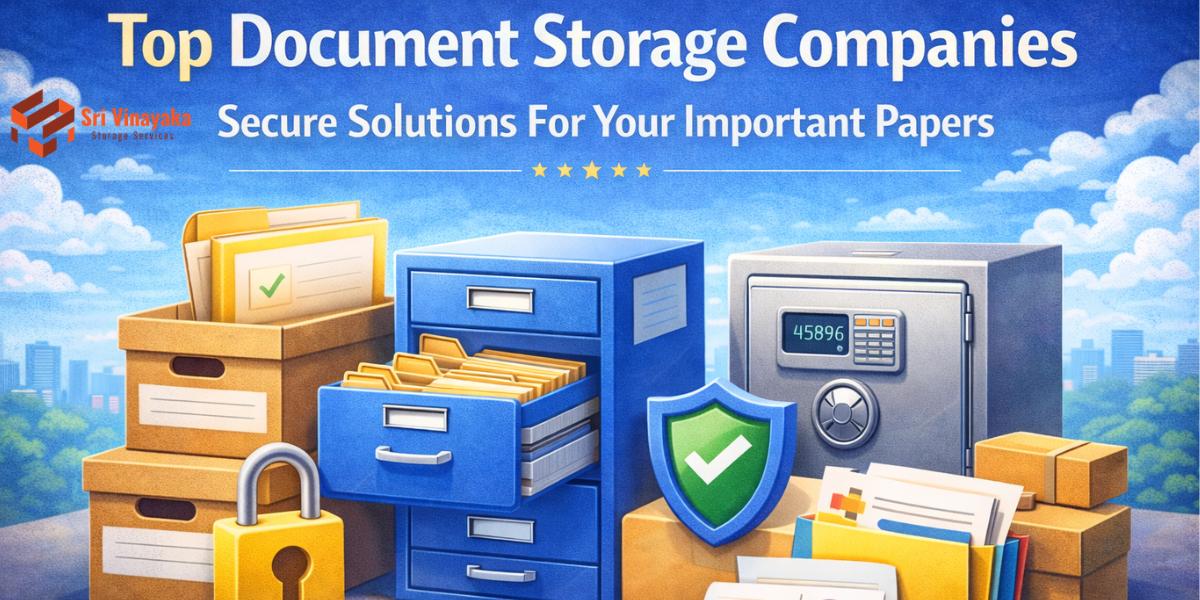
Most years, companies waste huge amounts of money when papers vanish, get ruined, or sit unprotected. Think about house ownership proofs, bank statements, or signed agreements.
Holding on to printed pages safely gets harder each day. Instead of handling it alone, many turn to expert firms that store paperwork far from the office, guarding against break-ins, flames, or storms. This piece walks through their services, pricing details, plus ways to pick one that fits how you work.
What are document storage companies?
Some firms keep paper records locked away in strong buildings meant just for that job. These places run big facilities watched day and night, where the air stays steady so papers do not fade or warp. Not like renting any old locker space, this kind of care keeps documents whole through the years.
Key Features of Professional Document Storage
24/7 surveillance and access control
Always watching, every door and drawer stays under the eyes. Cameras roll nonstop while fingerprint scanners block the wrong hands. Guards walk the halls even at night. No one slips past unseen when systems work together like this. Quiet confidence comes from knowing someone is always on duty.
Commercial-grade warehousing
Storing documents in regular basements often leads to damage. Yet climate-controlled warehouses keep conditions steady. Moisture stays low, heat stays balanced. Old files remain crisp because air quality is managed. Think cool rooms where nothing warps or fades. The paper does not darken when kept here. Mould finds no place to grow. Even after many years, the pages feel solid. Stability matters most for long-term preservation.
Professional packing and retrieval
Boxes get packed tight by trained hands, working alongside licensed moving crews. Files travel securely, thanks to tough containers built for safe transit. Need one back. It shows up on time, every time, pulled fast by team members who know where everything lives. Speed meets care without the usual wait.
Besides saving room in the workplace, handing your files to a dedicated storage provider cuts down on the chance of misplacing vital data.
How Much Does It Cost to Store Documents?
Almost everyone running a business wants numbers right away. Industry reports show firms usually pay around ₹42 each month for every stored box. A stack of 100 boxes? That adds up to nearly ₹4,200 a month. Safe warehouse space comes with that price tag. So does expert handling when files are needed. Extra tasks – like collecting boxes or destroying them later – might mean extra costs.
What Influences Document Storage Pricing?
Box volume
Volume of storage matters – bigger quantities usually bring down the cost per unit. Some providers give better terms when handling larger amounts. Price shifts happen depending on how much you keep.
Access frequency
Every day you pull files out? That usually means paying more compared to just leaving them sitting there untouched.
Additional security
A locked drawer might cost a bit more. Yet peace of mind comes from knowing contracts are out of reach. Some spaces include metal cabinets – good for wills or deeds. Price shifts happen when builders add those. Not every unit has one. You notice the difference at checkout. Heavy doors with keys tend to raise it slightly.
Start by checking how each provider bills every month, then dig into what they charge if you need files back. Look closely at fines for leaving before the contract ends, since those often hide in small print.
Essential Document Storage Supplies: Boxes, Bags, and Lockable Containers
Wrong boxes mean trouble, even with top-shelf movers. Picking solid materials changes everything. Here’s what people usually grab when stashing things safely.
A typical file container comes in corrugated paperboard, designed with a lift-off top, built to hold standard-sized paperwork – either letter or legal format. Some businesses prefer consistent dimensions across units because that allows tighter stacking on loading skids, which saves room while lowering the chance of harm during storage.
Storage box with lock
Locked storage boxes help protect sensitive documents like personnel files or tax paperwork. A secure container might include strong corner guards along with space for a padlock. Certain providers keep keys apart from the unit for added safety. Combination models appear too, offering another path to privacy. Reinforced designs show up often in trusted file cases meant for personal data.
Wrapped in tough material, these waterproof pouches handle big papers that won’t squeeze into regular containers – think drawings, long scrolls, heavy account books. When moving things briefly, before they settle into permanent cases, they slip neatly inside. Built to resist rips, each one keeps contents safe even when tossed in a busy van or left near damp floors.
Inside boxes, hanging folders sit alongside dividers and tags that sort papers apart. When each folder wears a clear name tag, finding one invoice takes less time than digging through loose sheets. Labels matter because they cut down on searching – workers grab what they need instead of flipping through stacks. Neatness here means fewer hours wasted hunting misplaced pages across cluttered bins.
Starting off, companies such as Sri Vinayaka Storage Services show you what materials suit each kind of document. That way, picking the wrong container becomes far less likely. Through their tips, mix-ups during storage tend to drop sharply.
Quick Checklist: What to Look for in a Document Storage Company
Take a moment first. Go over these points before deciding. This way, nothing slips through. Each item here matters just as much as the last:
- Watched every hour, some areas stay shut tight. Entry limited, only certain people get near. Locked spaces keep things safe through the night.
- Pricing shows clearly right away. Hidden charges do not appear later when getting or sending items.
- Using regular file bins works fine here, also secure storage units fit without issue. Boxes meant for paperwork slide right in, while sealed ones stay put too.
- Speed of getting things back? Always on time, like within one day for regular asks. How fast you pull stuff out matters, right from the start.
- Starts with a solid score – must hold no less than 4.0 stars after fifty feedback entries.
- Insurance is handled by the company through a policy that covers losses or harm. Coverage kicks in if something gets damaged or goes missing.
A solid match today could mean steady support down the road. Meeting every point now builds lasting trust over time.
Conclusion
Keeping paper files safe can actually feel light. Off-site storage firms provide solid protection without heavy costs. When it comes to holding big blueprint rolls or locking away sensitive reports, picking the correct setup changes everything. Based nearby, Sri Vinayaka Storage Services blends tight safeguards with adaptable options tailored to how businesses operate.
Begin now by reviewing what you’ve kept, selecting needed materials, then working alongside experts who guard paperwork like their own.
FAQs
What are the top 5 document management systems (digital)?
Leading digital DMS platforms are Revver (intelligent workflows), DocuWare M-Files, Laserfiche, and SharePoint. Other popular choices for secure cloud storage include Google Workspace, Box, and Dropbox Business.
Where can I store all my documents digitally for free?
India government offers a platform called DigiLocker, a secure cloud-based medium for storing, sharing, and verifying documents and certificates. It is sufficient to cater the space needs of documents to 1 GB for every citizen.
Can I use a regular cardboard box for document storage?
Standard moving boxes can be used however they lack the strength and even size that are required for stacking in a warehouse. Professional document storage companies advise using the purpose-built boxes with strengthened corners and label holders.
How often should I audit my stored documents?
Examine your archive at least once yearly. Find those documents which are beyond the legally prescribed retention period and dispose of them through shredding, thus freeing up the space and reducing the monthly costs.