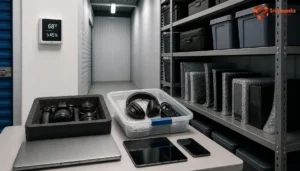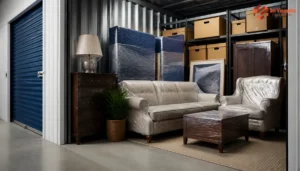
Relocating, renovation or no room at home anymore – any of these are common examples when furniture storage centers are needed. An Indian home is incomplete without the many pieces of furniture we cherish – sofas, dining tables, floor cabinets – that can have highly sentimental and of high monetary value.
Stored improperly, they can warp, rot, develop molds or get infested and cease to be of any value forever. This guide explains each step involved in how to store furniture properly.
How to Properly Store Furniture in a Storage Unit?
On the mind of every homeowner is this one question: How do I go about placing furniture inside my storage unit?
The proper procedure involves the proper boxes, storage material, precautions from the environment, and shelving. If each process is followed there will be no damage or smell when retrieving the unit.
- Never put furniture directly on a concrete floor
Moisture can be absorbed by the concrete and will be passed onto the furniture via the wood causing growth of mold or rotting of the furniture piece. Always place them on wooden pallets, plastic risers or even on firm cardboard.
- Leave a couple of inches of space between the items, so that they have enough room for free air circulation. Don’t make your stack too high by placing larger and heavier furniture at the bottom and lighter ones on the top. Refrain from putting anything on top of a sofa or upholstery chair.
- Choose a unit that has climate control if you are looking at storing things for over a month in the humid Indian cities of Mumbai, Chennai or Kolkata, for example.
Having the bigger picture in mind: Without the right placement, no goods, not even best packing materials could save your items from dampness or shape distortion.
Essential Preparation Steps Before Storing Furniture
Nothing should go in the storage unit ready before undergoing fine detailing. This aspect will have a significant impact on the life of your furniture in store.
Clean Thoroughly – Inside and Out
Dust, food crumbs and spills also attract silverfish, cockroaches, rodents etc. Vacuum upholstery with a brush attachment, clean wood with a damp cloth and mild soap, and dry all thoroughly before packing away.
For wood furniture, a coat of furniture polish or wood wax seals the moisture into the wood and keeps it from cracking in dry environments.
Disassemble Large Pieces
Beds, dining chairs with removable legs, and bookshelves should be dismantled. Save screws, nuts and little bits in a labelled ziplock bag and tape it to the biggest bit so nothing gets lost.
Disassembly can save as much as 40% of space and the risk of legs or joints breaking during transit or when stacking.
Create a Furniture Inventory List
Before packing, make a list of things you will be taking using a photo and a short paragraph (labeled ‘Sheesham wood dining table slight mark on left leg’)
Use this list as a checklist when packing your things and for filing insurance claims if necessary. Use the list to organize your storage unit.
The Right Way to Wrap and Protect Furniture
A covering is the protection that will shield your furniture from dust, scratches and moisture. Every material may not be suitable as some may do more damage than protection.
Use Moving Blankets or Thick Cotton Cloths
Good professional moving blankets are the best, but in India, a thick cotton saree is quite good, old bedsheets and gadda covers make good pads, too. What you want to do is create a thickish, breathable buffer between any piece of furniture and the atmosphere. Cover it completely, including all the corners and each protruding handle.
Avoid Plastic Wrap Alone (It Traps Moisture)
A common misconception is that people wrap their furniture in clingwrap to keep the dust off. All plastics are non breathable, so any moisture already within the wood or fabric becomes trapped and becomes a breeding ground for mold or mildew and rot in just a few weeks.
If you need extra dust protection you should wrap the furniture first in cotton and then wrap loosely with a layer of stretch wrap, leaving gaps for circulation.
Secure Wraps with Rubber Bands – Not Tape
Tape leaves a glue residue and can stick to wood finishes or fabric. Have a roll of oversize rubber bands (found at moving supply stores) or a length of soft rope handy to secure the wrap.
For awkward shaped objects, such as a chair, secure the fabric around the legs and backrest with cotton twine.
Why Climate-Controlled Storage Matters
Climate in India ranges from extreme humidity (on the coast) to dry heat (Rajasthan, Delhi NCR). Both extremes can cause damage to furniture. Climate controlled storage units stay at a constant temperature (18-25 degrees) and humidity (30-50%), thus preventing the wood from warping, swelling and cracking.
For upholstered furniture, climate control prevents mold spores from embedding into the fabric.
- Place desiccants (silica gel type packets if you are worried about smell, or perhaps charcoal in a fabric bag) in drawers and cupboards.
- Use a dehumidifier in the model during the first few days.
- Please visit the unit monthly to see that there is no odor or any evidence of condensation.
Pro tip from Sri Vinayaka Storage Services: Every single one of our storage facilities in India is climate and humidity monitored 24/7 so that your furniture, whether wood or upholstered, remains exactly as you left it.
Golden Rules of Furniture Storage
Per the expert advice of storage specialists, you will avoid expensive errors by following these six golden rules:
- Select an appropriate unit size : a too small unit needs hazardous stacking, while a too large one leads to waste.
- Measure all furniture in advance : for height, width and depth, and refer to the size guide of your facility.
- Use quality packing supplies : Put your money into a couple of moving blankets, some bubble wrap (for the mirror or glass components) and some solid corrugated boxes for the drawers and other small parts.
- Steer clear of newspapers : as the ink tends to bleed onto the wood.
- Disassemble anything that can be taken apart : This could be door frame beds, table legs, desks, hutches, even wardrobe rods.
- Bag up the screws : and label them then tape to the main item.
- Organize your items : Have the most used items in front, and keep an aisle in the middle so you can walk in and reach your things without moving all your other items.
- Protection from moisture and pests : Raise your furniture above the ground, allow air space between things and keep naphthalene balls / neem leaves in the drawers for keeping insects away.
- Inspect your storage units : frequently at least once every two months.
- Search for pests, monitor for water leakage, check for new or altering stacks. Catch problems early!

Conclusion
It’s not really difficult to store furniture properly. Still, it does involve a bit of care from cleaning and disassembling the furniture to choosing the right wrapping materials and storage environment.
A little bit of planning can help you to preserve the life of your furniture, In particular if you are an Indian home facing the problem of both the different climates and space constraints.
If you want a trustworthy partner for your storage of furniture, Sri Vinayaka Storage Services has clean, climate-controlled, and safe storage units throughout the major cities of India.
FAQs
How long can you keep furniture in storage without damage?
Theoretically, it is possible to store furniture for a very long time in a climate-controlled unit that is properly prepared. It is quite possible for wood furniture to stay durable for 5 years or even more whereas fabric upholstered pieces will probably have to be refreshed after every 2 to 3 years.
Though, if the storage unit is not climate controlled then it is better to keep the duration limit of 6 months to avoid mold and warping.
Is it safe to store wood furniture in a garage?
In most cases, no. If using the garage is a must, you can place the furniture on pallets, cover with a breathable cloth, make use of desiccants, etc.
How to store wood furniture without climate control?
Make sure you are thorough when cleaning and polishing the wood.
- First, wrap with cotton cloth, then cover with loose plastic with ventilation holes.
- Keep away from concrete floors.
- Put silica gel packs inside of drawers.
- Avoid storing your furniture in the monsoon season.
- Check regularly for mold.
How to protect furniture in storage from mice and rats?
Steel wool or metal mesh can be used for sealing any small openings in the storage area. Avoid smoking food near furniture at all costs. Using cotton balls soaked in peppermint oil or ultrasonic rodent repellents.
Sri Vinayaka Storage Services offers pest-proof units as a standard feature and also you can choose a facility that carries out regular pest control.
How to protect your belongings inside a storage unit from accidental damage?
Fragile items have to be wrapped with bubble wrap. Small components should be put in strong, clearly labeled boxes. Put the heavier boxes on the lower shelves and do not put boxes directly on the furniture.
Storage insurance can also be a great idea – many storage facilities, including Sri Vinayaka Storage Services are offering affordable coverage options.
What is the best way to wrap wood furniture for long-term storage?
The first step is to polish the wood. Then wrap the item with a clean moving blanket or thick cotton cloth. Hold the cloth in place using rubber bands (do not use tape). A second layer may be a loose-fitting plastic cover with small holes for air circulation. Do not seal it airtight.